Spara
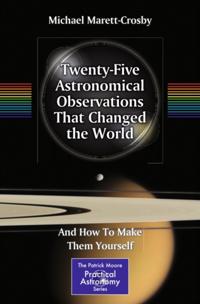
Twenty-Five Astronomical Observations That Changed the World

Läs i Adobe DRM-kompatibel e-boksläsareDen här e-boken är kopieringsskyddad med Adobe DRM vilket påverkar var du kan läsa den. Läs mer
"e;Twenty-Five Astronomical Observations That Changed the World"e; takes twenty-five journeys through space, back in time and into human history. We begin with the simplest sight of the Tycho Crater on the Moon, through a repeat of Galileo's observations of Jupiter's moons, and then move out towards the nebulae, stars, and galaxies. The astronomical observations repeat the original groundbreaking discoveries that have changed our understanding of science and ourselves. This title contains graded observing challenges from the straightforward to the more difficult (in chapter order). It offers clear observing tips and lots of practical help, presuming no prior in-depth knowledge of equipment. Binoculars and/or a small astronomical telescope are all that is required for most of the observations. Secondly, it explores for each observation the science of what is seen, adding to the knowledge and enjoyment of amateur astronomers and offering lots of reading for the cloudy nights when there is not a star in view. Thirdly, the book puts the amateur astronomers' observations into a wider perspective. "e;Twenty-Five Astronomical Observations That Changed the World"e; makes the observer part of that great story of discovery. Each chapter, each observing challenge, shows how to observe and then how to look with understanding. The projects begin with practicalities: where the object is, how best is it observed and with what appropriate equipment (usually a small-to-medium aperture amateur telescope, binoculars, even the naked eye). "e;Twenty-Five Astronomical Observations that Changed the World"e; guides even the inexperienced amateur astronomer - beginners can use the book - around a variety of night-sky objects, and reminds the more experienced how they can best be seen. These practical observations put us in contact with all the history and culture surrounding them: through scientific speculation and literature to those first fuzzy images made in 1959 by the Russian space probe Luna 3.
- Undertitel
- And How To Make Them Yourself
- Författare
- Michael Marett-Crosby
- ISBN
- 9781461468004
- Språk
- Engelska
- Utgivningsdatum
- 2013-06-28
- Förlag
- SPRINGER NEW YORK
- Tillgängliga elektroniska format
- PDF - Adobe DRM
- Läs e-boken här
- E-boksläsare i mobil/surfplatta
- Läsplatta
- Dator