Spara
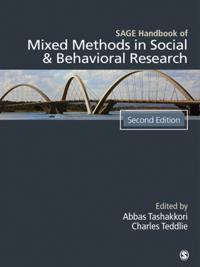
SAGE Handbook of Mixed Methods in Social & Behavioral Research

Läs i Adobe DRM-kompatibel e-boksläsareDen här e-boken är kopieringsskyddad med Adobe DRM vilket påverkar var du kan läsa den. Läs mer
Surveying the differing viewpoints and disciplinary approaches to using mixed methods, this volume helps readers explore the answers to a wide range of key questions in the field, including "e;Can using mixed methods offset the disadvantages that certain methods have by themselves?"e; "e;What criteria can a researcher use to select the best mixed methods design for his or her project?"e; and "e;What are the points of agreement and controversy regarding design issues in mixed methods research?"e; This breakthrough Second Edition, containing all new chapters, examines all aspects of mixed methods research across a variety of disciplines.Key Features• Covers all aspects of inquiry from conceptualizing research to selecting methods, analyzing and interpreting data, and reporting findings* Draws on the work of a mix of internationally recognized researchers as well as new and emerging researchers to provide a diversity of perspectives* Gives specific examples from a wide range of disciplines to help readers understand the issues and controversies in this evolving area* Presents rich material for discussion and new ideas for implementing mixed methods research to provide readers with a cutting-edge resource* Provides pedagogical tools such as learning objectives, discussion questions and exercises, and extensive cross referencing
- Författare
- Abbas Tashakkori, Charles Teddlie
- ISBN
- 9781412973540
- Språk
- Engelska
- Utgivningsdatum
- 2021-06-17
- Förlag
- Sage Publications
- Tillgängliga elektroniska format
- PDF - Adobe DRM
- Läs e-boken här
- E-boksläsare i mobil/surfplatta
- Läsplatta
- Dator