Spara
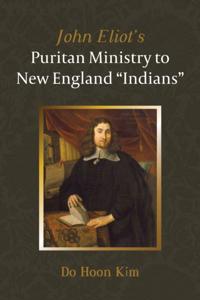
John Eliot's Puritan Ministry to New England "e;Indians"e;

Läs i Adobe DRM-kompatibel e-boksläsareDen här e-boken är kopieringsskyddad med Adobe DRM vilket påverkar var du kan läsa den. Läs mer
John Eliot (1604-90) has been called "e;the apostle to the Indians."e; This book looks at Eliot not from the perspective of modern Protestant "e;mission"e; studies (the approach mainly adopted by previous research) but in the historical and theological context of seventeenth-century puritanism. Drawing on recent research on migration to New England, the book argues that Eliot, like many other migrants, went to New England primarily in search of a safe haven to practice pure reformed Christianity, not to convert Indians. Eliot's Indian ministry started from a fundamental concern for the conversion of the unconverted, which he derived from his experience of the puritan movement in England. Consequently, for Eliot, the notion of New England Indian "e;mission"e; was essentially conversion-oriented, Word-centered, and pastorally focused, and (in common with the broader aims of New England churches) pursued a pure reformed Christianity. Eliot hoped to achieve this through the establishment of Praying Towns organized on a biblical model--where preaching, pastoral care, and the practice of piety could lead to conversion--leading to the formation of Indian churches composed of "e;sincere converts."e;
- Författare
- Do Hoon Kim
- ISBN
- 9781666709810
- Språk
- Engelska
- Utgivningsdatum
- 2021-12-10
- Tillgängliga elektroniska format
- Epub - Adobe DRM
- Läs e-boken här
- E-boksläsare i mobil/surfplatta
- Läsplatta
- Dator