Spara
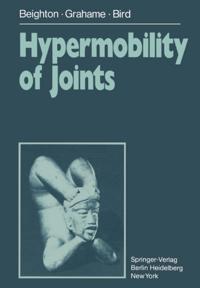
Hypermobility of Joints

Läs i Adobe DRM-kompatibel e-boksläsareDen här e-boken är kopieringsskyddad med Adobe DRM vilket påverkar var du kan läsa den. Läs mer
Although those of us (and particularly orthopaedists and rheumatologists) who deal with locomotor diseases in man are concerned mainly with stiffness and limitation of movement- affecting not only livelihood but also the quality of life-from time to time we see patients suffering from too much of a good thing, whose joints are too freely mobile for the good of the whole man. In most instances, at least in youth, the benefit outweighs the debit. Many hypermobile people in the performing world- ballet dancers, circus gymnasts, musicians and sportsmen and women-have delighted audiences over 20 centuries with their unusual ability, prowess and postures. Some types of acquired hypermobility can, however, be disadvantageous, an example being tabes dorsalis with its flaccid joints and perhaps pain as well. In a similar way the restored-to-normal mobility of treated rheumatoid patients (whether by prednisone or longer term drugs such as penicillamine or gold) must be considered abnormal-as hypermobility for that patient which in the long- term may hasten secondary arthrotic changes. This treatise deals, however, with the abnormally mobile, either as an effect of inherited connective tissue abnormality or as one end of the normal range of mobility, without any obvious connective tissue change. It comes at a fecund time in our knowledge of the intricacies of the collagen molecule, with intriguing questions concerning the development of local type- specific structures. The fibroblast may yet expand to the same diversity as the once humble lymphocyte.
- Författare
- H. Bird, P. Beighton, R. Grahame, E. Bywaters
- ISBN
- 9781447135104
- Språk
- Engelska
- Utgivningsdatum
- 2013-04-18
- Förlag
- SPRINGER LONDON
- Tillgängliga elektroniska format
- PDF - Adobe DRM
- Läs e-boken här
- E-boksläsare i mobil/surfplatta
- Läsplatta
- Dator