Spar
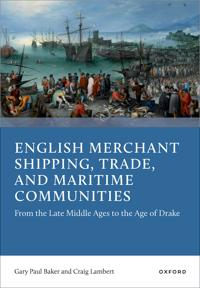
English Merchant Shipping, Trade, and Maritime Communities
This volume is the first study of the merchant fleet and maritime workforce in late medieval and Tudor England undertaken on a nationwide scale, using all the available customs records concurrently, rather than regional, county, or port-based studies that have predominated in the past. The study uses brand new methodological approaches and the latest digital technologies to provide a quantitative and prosopongraphical evaluation and analysis of shipping, considering the number, type, tonnage, and geographical distribution of vessels. It also reconstructs the lives and careers of those involved in seafaring and the broader maritime communities engaged in trading, fishing, fighting, and supporting roles. This is a foundational work, with numerous implications, its research potential extending into and connecting the fabric of socio-economic, cultural, naval, and political history. Reconstructing the maritime capacity of the realm is essential for understanding the infrastructure and manpower that sustained overseas and coastal trade, and that supported logistical and naval operations during wartime. It also enables us to explore the socio-economic composition and dynamics of coastal and estuarine communities, from major ports to small fishing villages, shedding light on the interconnectedness of regions along England's (and where the sources allow Wales's and the Channel Islands') extensive coastlines, and the various ways in which the demands, challenges, and opportunities of maritime enterprise influenced political decision-making and grand strategy. More broadly, this book challenges many of the prevailing historical narratives about the fleet: it was, for example, far larger in vessels and tonnage throughout our period than has previously been thought.
- Undertittel
- From the Late Middle Ages to the Age of Drake
- Forfatter
- Gary Paul Baker, Craig Lambert
- ISBN
- 9780192857408
- Språk
- Engelsk
- Vekt
- 446 gram
- Utgivelsesdato
- 17.9.2026
- Forlag
- Oxford University Press
- Antall sider
- 320






