Spar
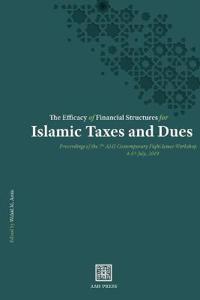
The Efficacy of Financial Structures for Islamic Taxes and Dues
For over a millennium, Islamic law has institutionalised money (and other economic assets) to implement its vision of a just society. Be it religious taxation in the form of zakāt, charitable donations in the form of ṣadaqa or religious endowments (awqāf), the dowry that is paid by a man to his would-be wife in a marriage contract, or the different categories of financial compensation within Islamic criminal and tort law, the Sharia utilises money and wealth for a diverse range of functions and objectives. Some of these assume a functioning political framework involving government officials and an Islamic judiciary system, while others seem to be effective only in the pre-modern contexts in which they were conceived and implemented. This volume gathers papers from the 7th AMI Contemporary Fiqhī Issues Workshop exploring the efficacy of financial structures for Islamic taxes and dues. It explores the laws of religious taxation in Islam from a variety of historical, philosophical, ethical and sociological perspectives.
- Redaktør
- Wahid M Amin
- ISBN
- 9781838032005
- Språk
- Engelsk
- Vekt
- 145 gram
- Utgivelsesdato
- 1.7.2020
- Forlag
- AMI Press
- Antall sider
- 96






