Spar
Tapping the Pines
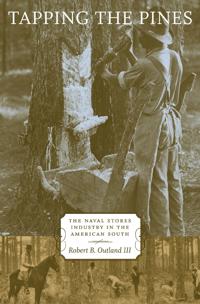
The extraction of raw turpentine and tar from the southern longleaf pine -- along with the manufacture of derivative products such as spirits of turpentine and rosin -- constitutes what was once the largest industry in North Carolina and one of the most important in the South: naval stores production. In a pathbreaking study that seamlessly weaves together business, environmental, labor, and social history, Robert B. Outland III offers the first complete account of this sizable though little-understood sector of the southern economy. Outland traces the South's naval stores industry from its colonial origins to the mid-twentieth century, when it was supplanted by the rising chemicals industry. A horror for workers and a scourge to the Southeast's pine forests, the methods and consequences of this expansive enterprise remained virtually unchanged for more than two centuries.
An important part of the timber products trade, naval stores were originally used primarily in shipbuilding and maintenance. Over the course of the nineteenth century, these products came to be used in myriad ways -- including in the manufacture of paint thinner, soap, and a widely popular lamp oil -- and demand soared. In response, North Carolina producers enlarged their operations and expanded throughout the Southeast, especially into Georgia and Florida, but the short-term economic development they initiated ultimately contributed to long-term underdevelopment.
Outland vividly describes the primitive harvest and production methods that eventually destroyed the very trees the trade relied upon, forcing operators to relocate every few years. He introduces the many different people involved in the industry, from the wealthy owner to the powerless worker, and explores the reliance on forced labor -- slavery before the Civil War and afterwards debt peonage and convict leasing. He demonstrates how the isolated forest environment created harsh working and living conditions, making the life of a turpentine hand and his family exceedingly difficult.
With an exacting attention to detail and exhaustive research, Outland offers not only the first definitive history of the naval stores industry but also a fresh interpretation of the socioeconomic development of the piney woods South. Tapping the Pines is an essential volume for anyone interested in the region.
An important part of the timber products trade, naval stores were originally used primarily in shipbuilding and maintenance. Over the course of the nineteenth century, these products came to be used in myriad ways -- including in the manufacture of paint thinner, soap, and a widely popular lamp oil -- and demand soared. In response, North Carolina producers enlarged their operations and expanded throughout the Southeast, especially into Georgia and Florida, but the short-term economic development they initiated ultimately contributed to long-term underdevelopment.
Outland vividly describes the primitive harvest and production methods that eventually destroyed the very trees the trade relied upon, forcing operators to relocate every few years. He introduces the many different people involved in the industry, from the wealthy owner to the powerless worker, and explores the reliance on forced labor -- slavery before the Civil War and afterwards debt peonage and convict leasing. He demonstrates how the isolated forest environment created harsh working and living conditions, making the life of a turpentine hand and his family exceedingly difficult.
With an exacting attention to detail and exhaustive research, Outland offers not only the first definitive history of the naval stores industry but also a fresh interpretation of the socioeconomic development of the piney woods South. Tapping the Pines is an essential volume for anyone interested in the region.
- Undertittel
- The Naval Stores Industry in the American South
- Forfatter
- Robert B. Outland III
- ISBN
- 9780807129814
- Språk
- Engelsk
- Vekt
- 735 gram
- Utgivelsesdato
- 1.12.2004
- Antall sider
- 376