Spar
Strategies to Protect the Health of Deployed U.S. Forces
Les i Adobe DRM-kompatibelt e-bokleserDenne e-boka er kopibeskyttet med Adobe DRM som påvirker hvor du kan lese den. Les mer
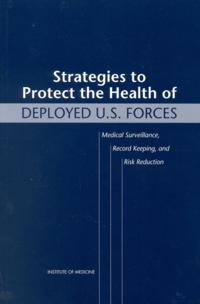
Nine years after Operations Desert Shield and Desert Storm (the Gulf War) ended in June 1991, uncertainty and questions remain about illnesses reported in a substantial percentage of the 697,000 service members who were deployed. Even though it was a short conflict with very few battle casualties or immediately recognized disease or non-battle injuries, the events of the Gulf War and the experiences of the ensuing years have made clear many potentially instructive aspects of the deployment and its hazards. Since the Gulf War, several other large deployments have also occurred, including deployments to Haiti and Somalia. Major deployments to Bosnia, Southwest Asia, and, most recently, Kosovo are ongoing as this report is written. This report draws on lessons learned from some of these deployments to consider strategies to protect the health of troops in future deployments. In the spring of 1996, Deputy Secretary of Defense John White met with leadership of the National Research Council and the Institute of Medicine to explore the prospect of an independent, proactive effort to learn from lessons of the Gulf War and to develop a strategy to better protect the health of troops in future deployments.
- Undertittel
- Medical Surveillance, Record Keeping, and Risk Reduction
- ISBN
- 9780309172523
- Språk
- Engelsk
- Utgivelsesdato
- 1.1.1999
- Forlag
- National Academies Press
- Tilgjengelige elektroniske format
- Epub - Adobe DRM
- Les e-boka her
- E-bokleser i mobil/nettbrett
- Lesebrett
- Datamaskin






