Spar
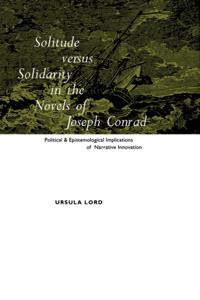
Solitude Versus Solidarity in the Novels of Joseph Conrad
Les i Adobe DRM-kompatibelt e-bokleserDenne e-boka er kopibeskyttet med Adobe DRM som påvirker hvor du kan lese den. Les mer
Ursula Lord explores the manifestations in narrative structure of epistemological relativism, textual reflexivity, and political inquiry, specifically Conrad's critique of colonialism and imperialism and his concern for the relationship between self and society. The tension between solitude and solidarity manifests itself as a soul divided against itself; an individual torn between engagement and detachment, idealism and cynicism; a dramatized narrator who himself embodies the contradictions between radical individualism and social cohesion; a society that professes the ideal of shared responsibility while isolating the individual guilty of betraying the illusion of cultural or professional solidarity. Conrad's complexity and ambiguity, his conflicting allegiances to the ideal of solidarity versus the terrible insight of unremitting solitude, his grappling with the dilemma of private versus shared meaning, are intrinsic to his political and philosophical thought. The metanarrative focus of Conrad's texts intensifies rather than diminishes their philosophical and political concerns. Formal experimentation and epistemological exploration inevitably entail ethical and social implications. Lord relates these issues with intellectual rigour to the dialectic of individual liberty and collective responsibility that lies at the core of the modern moral and political debate.
- Undertittel
- Political and Epistemological Implications of Narrative Innovation
- Forfatter
- Ursula Lord
- ISBN
- 9780773566897
- Språk
- Engelsk
- Utgivelsesdato
- 17.4.1998
- Tilgjengelige elektroniske format
- PDF - Adobe DRM
- Les e-boka her
- E-bokleser i mobil/nettbrett
- Lesebrett
- Datamaskin






