Spar
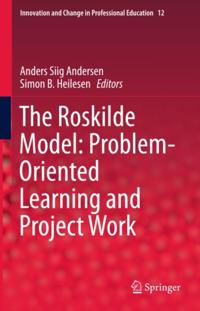
Roskilde Model: Problem-Oriented Learning and Project Work
e-bok, 2014
Engelsk
Les i Adobe DRM-kompatibelt e-bokleserDenne e-boka er kopibeskyttet med Adobe DRM som påvirker hvor du kan lese den. Les mer
This book describes the pedagogical foundations of the Roskilde Model of education and educational design. It presents knowledge about how principles of problem-oriented, interdisciplinary and participant-directed project work may serve as a basis for planning and applying educational activities at institutions of higher learning. It discusses the dilemmas, problems, and diverging views that have challenged the model, provoking experiments and reforms that have helped develop practice without compromising the key principles. The Roskilde Model combines various student-centered learning concepts into a nexus, providing the foundation for a consistent pedagogical practice that is strongly supported by the educational structure and the academic profile of the university.A complex concept, the Roskilde Model refers to three different aspects: The first one is problem-oriented interdisciplinary and participant-directed project work (PPL). At Roskilde University, half of all study activities are organized in line with this particular pedagogical approach. The second aspect the model refers to is the organizing of university education on the basis of four interdisciplinary bachelor programmes. These programmes are part of the humanities, social sciences, natural sciences, and humanistic-technological sciences and give admission to two-year master programmes in a broad range of disciplines. The third aspect the model refers to is the interdisciplinary academic and educational profile of the university.
- Redaktør
- Anders Siig Andersen, Simon B. Heilesen
- ISBN
- 9783319097169
- Språk
- Engelsk
- Utgivelsesdato
- 25.10.2014
- Tilgjengelige elektroniske format
- PDF - Adobe DRM
- Les e-boka her
- E-bokleser i mobil/nettbrett
- Lesebrett
- Datamaskin