Spar
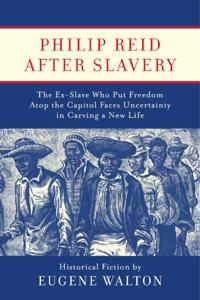
Philip Reid After Slavery
Les i Adobe DRM-kompatibelt e-bokleserDenne e-boka er kopibeskyttet med Adobe DRM som påvirker hvor du kan lese den. Les mer
Philip Reid grew up in slavery near Charleston, South Carolina, where he became a skilled foundry craftsman. He was purchased by Clark Mills, who owned the Clark Mills Foundry of Washington, D.C. Clark Mills received a U.S. Government contract to cast the Statue of Freedom to stand atop the Capitol Dome - so Philip moved to Washington and played a significant role in the casting. While the progress of the Statue of Freedom was interrupted by the Civil War, the life of Philip Reid was more seriously interrupted by the passage of the District of Columbia Emancipation Act of April 16, 1863. With one stroke of the pen, Philip was thrust from the womb of slavery out into the cold world called freedom. Philip was at once confronted by the uncertainties of avoiding re-enslavement by opportunistic bounty hunters roaming the streets of Washington; creating a foundry career as a free entrepreneur; and dealing with free relationships with two competitive Free Black women. The resolution of Philip's problems boil down to a Proposal to have the District of Columbia Commissioners vote on a Proclamation acknowledging Philip's contributions in the casting of the Statue of Freedom and publishing this on December 2, 1862 - at the time the Statue was to be installed atop the Capitol Dome. The Commissioners voted November 29. 1862.
- Undertittel
- The Ex-Slave Who Put Freedom Atop the Capitol Faces Uncertainty in Carving a New Life
- Forfatter
- Eugene Walton
- ISBN
- 9781483504025
- Språk
- Engelsk
- Utgivelsesdato
- 15.8.2013
- Forlag
- Bookbaby
- Tilgjengelige elektroniske format
- Epub - Adobe DRM
- Les e-boka her
- E-bokleser i mobil/nettbrett
- Lesebrett
- Datamaskin






