Spar
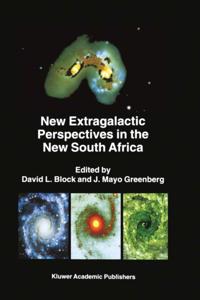
New Extragalactic Perspectives in the New South Africa
e-bok, 2012
Engelsk
Les i Adobe DRM-kompatibelt e-bokleserDenne e-boka er kopibeskyttet med Adobe DRM som påvirker hvor du kan lese den. Les mer
The date: September 30, 1880 The place: A private observatory in Hastings-on-Hudson Profession of the observer: A medical doctor The instrument: An l1-inch Clark refractor. The significance of that night marked one of the truly great turning points in the development of astronomical techniques: Dr Henry Draper, a wealthy New York medical doctor, had secured the first photograph of a nebula: a 51-minute exposure on a dry gelatinobromide plate showing the wispy nebulosity of the Orion Nebula. By March 1882, Draper had secured an exposure of 137 minutes, showing far richer detail of both bright and dark features. The rest is histapy. The photographic era heralded in a universe where hints of the presence of cosmic dust were strongly alluded to: from star-forming regions such as Messier 17, to the Horsehead Nebula in Orion, to the striking dark finger in the Cone Nebula, to the magnificent dark bands in the plane of our Milky Way. "e;Historically, astromomers from the very beginning have been afraid of dust.
- Undertittel
- Proceedings of the International Conference on "e;Cold Dust and Galaxy Morphology"e; held in Johannesburg, South Africa, January 22-26, 1996
- Redaktør
- J. Mayo Greenberg, David L. Block
- ISBN
- 9789400903357
- Språk
- Engelsk
- Utgivelsesdato
- 6.12.2012
- Forlag
- SPRINGER NETHERLANDS
- Tilgjengelige elektroniske format
- PDF - Adobe DRM
- Les e-boka her
- E-bokleser i mobil/nettbrett
- Lesebrett
- Datamaskin






