Spar
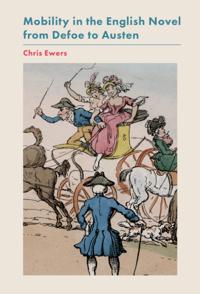
Mobility in the English Novel from Defoe to Austen
Les i Adobe DRM-kompatibelt e-bokleserDenne e-boka er kopibeskyttet med Adobe DRM som påvirker hvor du kan lese den. Les mer
A lively exploration of the relation between the arrival of the novel, the literary form that uses life-as-a-journey as its master trope, and the transport revolution in eighteenth-century Britain.In 1700 the fastest coach from London to Manchester took five days. By 1790 the development of the turnpike road system across England had reduced this figure to twenty-seven hours, and both the landscape and the ways in which people experienced it had been radically transformed. This revolution in transport came at the same time as the emergence of the novel as a dominant literary form in Britain. In this highly original reading of some of themajor novelists of the long eighteenth century - Defoe, Fielding, Smollett, Sterne and Austen - Chris Ewers shows how these two developments interacted. He argues that this reconfiguration of local geography and the new experience of moving through space at speed had a profound effect upon the narrative and form of the novel, leaving its mark on genre, prose technique, the depiction of class and gender relations and the way texts are structured. It is noaccident, he concludes, that the arrival of the novel, the literary form that uses life-as-a-journey as a master trope, is roughly co-terminous with the revolution of internal transport in Britain. CHRIS EWERS is a lecturer in Eighteenth Century Literature at the University of Exeter
- Forfatter
- Chris Ewers
- ISBN
- 9781787442726
- Språk
- Engelsk
- Utgivelsesdato
- 20.4.2018
- Forlag
- BOYDELL BREWER LTD
- Tilgjengelige elektroniske format
- PDF - Adobe DRM
- Les e-boka her
- E-bokleser i mobil/nettbrett
- Lesebrett
- Datamaskin






