Spar
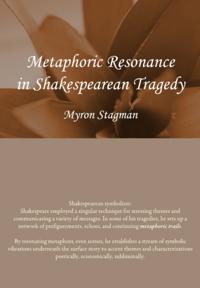
Metaphoric Resonance in Shakespearean Tragedy
Les i Adobe DRM-kompatibelt e-bokleserDenne e-boka er kopibeskyttet med Adobe DRM som påvirker hvor du kan lese den. Les mer
An occasional prefigurement and echo was hardly unknown before Shakespeare. But the vast echoism-continuing forward and backward references-utilized in certain Shakespearean tragedies, was rare if unknown before him. Who, even now, does this?Two examples of messages conveyed via metaphoric resonance: (1) an element of the weight metaphoric trail in Coriolanus: The protagonist says scornfully to the Citizens in the first Act: He that depends upon your favours swims with fins of lead.In the second Act, Coriolanus more cautiously, deceptively, remarks to the plebeians' tribune Brutus: Your people, I love them as they weigh.The full import of this statement would be lost without knowledge of the metaphoric resonance, which tells us he is not impartial.(2) Richard II, Act II, scene 1:John of Gaunt begins his famous prophesying-and-punning speech to King Richard:"e;O, how [my] name fits my composition! ... gaunt in being old.... and therein fasting, hast thou made me gaunt.Gaunt am I for the grave, gaunt as a grave."e;Shakespeare set up other prophesies in the play with this one by John of Gaunt. Thus, in the fourth scene of Act II, a Captain declares, "e;And lean-look'd prophets whisper fearful change."e;The playwright has been criticized for having Gaunt pun at such a time, but name a better way for the playful Shakespeare to tip off the audience to a shrewdly resonant "e;lean-look'd prophets"e; two scenes away.
- Forfatter
- Myron Stagman
- ISBN
- 9781443816182
- Språk
- Engelsk
- Utgivelsesdato
- 2.10.2009
- Tilgjengelige elektroniske format
- PDF - Adobe DRM
- Les e-boka her
- E-bokleser i mobil/nettbrett
- Lesebrett
- Datamaskin






