Spar
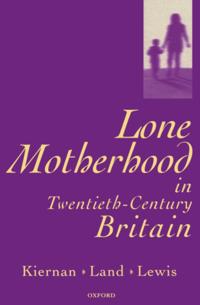
Lone Motherhood in Twentieth-Century Britain
e-bok, 1998
Engelsk
Les i Adobe DRM-kompatibelt e-bokleserDenne e-boka er kopibeskyttet med Adobe DRM som påvirker hvor du kan lese den. Les mer
During the 1990s lone mothers reached the top of the political agenda, viewed as both a drain on public expenditure and a moral threat. What has been missing from the debate is an understanding of how we have got to where we are. This timely new study, by three leading experts in the field, sets out first to investigate the demographics of lone motherhood - how the pathways into lone motherhood have changed, and whether the changes of the last quarter of a century are as dramatic as they appear. Second, it looks at the wider context for the changes in lone motherhood in terms of ideas about marriage, and the changes in the construction of the never-married mother, from victim in the 1950s to parasite in the late 1980s. Finally, it examines the way in which policies have defined the problem of lone motherhood over time and the way in which lone mothers have been treated with regard to housing, social security, and employment. The study concludes that there is little possiblility of putting the genie back in the bottle in terms of reducing the number of lone mothers - efforts to do so by reducing public expenditure on them may be effective, but at the expense of the children involved. Instead, the authors urge policy-makers to change focus again, and pay more attention to investing in children.
- Undertittel
- From Footnote to Front Page
- ISBN
- 9780191037580
- Språk
- Engelsk
- Utgivelsesdato
- 7.5.1998
- Forlag
- OUP Oxford
- Tilgjengelige elektroniske format
- Epub - Adobe DRM
- Les e-boka her
- E-bokleser i mobil/nettbrett
- Lesebrett
- Datamaskin






