Spar
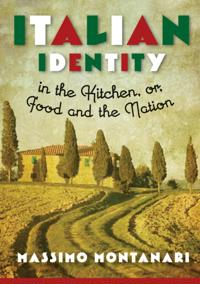
Italian Identity in the Kitchen, or Food and the Nation
Les i Adobe DRM-kompatibelt e-bokleserDenne e-boka er kopibeskyttet med Adobe DRM som påvirker hvor du kan lese den. Les mer
Massimo Montanari draws readers into the far-flung story of how local and global influences came to flavor Italian identity. The fusion of ancient Roman cuisine-which consisted of bread, wine, and olives-with the barbarian diet-rooted in bread, milk, and meat-first formed the basics of modern eating across Europe. From there, Montanari highlights the importance of the Italian city in the development of gastronomic taste in the Middle Ages, the role of Arab traders in positioning the country as the supreme producers of pasta, and the nation's healthful contribution of vegetables to the fifteenth-century European diet. Italy became a receiving country with the discovery of the New World, absorbing corn, potatoes, and tomatoes into its national cuisine. As disaster dispersed Italians in the nineteenth century, new immigrant stereotypes portraying Italians as "e;macaroni eaters"e; spread. However, two world wars and globalization renewed the perception of Italy and its culture as unique in the world, and the production of food constitutes an important part of that uniqueness.
- Forfatter
- Massimo Montanari
- Oversetter
- Beth Archer Brombert
- ISBN
- 9780231535083
- Språk
- Engelsk
- Utgivelsesdato
- 23.7.2013
- Tilgjengelige elektroniske format
- Epub - Adobe DRM
- Les e-boka her
- E-bokleser i mobil/nettbrett
- Lesebrett
- Datamaskin






