Spar
Inventing Americans in the Age of Discovery
Les i Adobe DRM-kompatibelt e-bokleserDenne e-boka er kopibeskyttet med Adobe DRM som påvirker hvor du kan lese den. Les mer
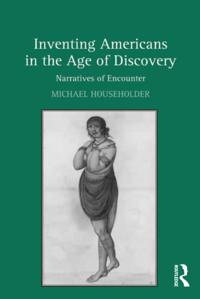
Inventing Americans in the Age of Discovery traces the linguistic, rhetorical, and literary innovations that emerged out of the first encounters between Europeans and indigenous peoples of the Americas. Through analysis of six texts, Michael Householder demonstrates the role of language in forming the identities or characters that permitted Europeans (English speakers, primarily) to adapt to the unusual circumstances of encounter. Arranged chronologically, the texts examined include John Mandeville's Travels, Richard Eden's English-language translations of the accounts of Spanish and Portuguese discovery and conquest, George Best's account of Martin Frobisher's voyages to northern Canada, Ralph Lane's account of the abandonment of Roanoke, John Smith's writings about Virginia, and John Underhill's account of the Pequot War. Through his analysis, Householder reveals that English colonists did not share a universal, homogenous view of indigenous Americans as savages, but that the writers, confronted by unfamiliar peoples and situations, resorted to a mixed array of cultural beliefs, myths, and theories to put together workable explanations of their experiences, which then became the basis for how Europeans in the colonies began transforming themselves into Americans.
- Undertittel
- Narratives of Encounter
- Forfatter
- Michael Householder
- ISBN
- 9781317113232
- Språk
- Engelsk
- Utgivelsesdato
- 6.5.2016
- Forlag
- TAYLOR FRANCIS
- Tilgjengelige elektroniske format
- PDF - Adobe DRM
- Les e-boka her
- E-bokleser i mobil/nettbrett
- Lesebrett
- Datamaskin






