Spar
Gay Artists in Modern American Culture
Les i Adobe DRM-kompatibelt e-bokleserDenne e-boka er kopibeskyttet med Adobe DRM som påvirker hvor du kan lese den. Les mer
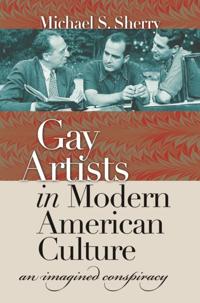
Today it is widely recognized that gay men played a prominent role in defining the culture of mid-twentieth-century America, with such icons as Tennessee Williams, Edward Albee, Aaron Copland, Samuel Barber, Montgomery Clift, and Rock Hudson defining much of what seemed distinctly American on the stage and screen. Even though few gay artists were out, their sexuality caused significant anxiety during a time of rampant antihomosexual attitudes. Michael Sherry offers a sophisticated analysis of the tension between the nations simultaneous dependence on and fear of the cultural influence of gay artists.Sherry places conspiracy theories about the homintern (homosexual international) taking control and debasing American culture within the paranoia of the time that included anticommunism, anti-Semitism, and racism. Gay artists, he argues, helped shape a lyrical, often nationalist version of American modernism that served the nations ambitions to create a cultural empire and win the Cold War. Their success made them valuable to the countrys cultural empire but also exposed them to rising antigay sentiment voiced even at the highest levels of power (for example, by President Richard Nixon). Only late in the twentieth century, Sherry concludes, did suspicion slowly give way to an uneasy accommodation of gay artists' place in American life.
- Undertittel
- An Imagined Conspiracy
- Forfatter
- Michael S. Sherry
- ISBN
- 9780807885895
- Språk
- Engelsk
- Utgivelsesdato
- 10.9.2007
- Tilgjengelige elektroniske format
- Epub - Adobe DRM
- Les e-boka her
- E-bokleser i mobil/nettbrett
- Lesebrett
- Datamaskin






