Spar
Garlic Capital of the World
Les i Adobe DRM-kompatibelt e-bokleserDenne e-boka er kopibeskyttet med Adobe DRM som påvirker hvor du kan lese den. Les mer
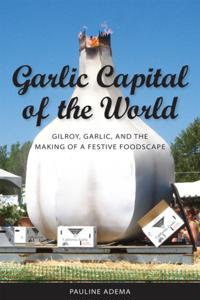
According to Pauline Adema, you smell Gilroy, California, before you see it. In Garlic Capital of the World, the folklorist and culinary anthropologist examines the role of food and festivals in creating a place brand or marketable identity. The author scrutinizes how Gilroy, California, successfully transformed a negative association with the pungent bulb into a highly successful tourism and marketing campaign. This book explores how local initiatives led to an iconization of the humble product in Gilroy. The city, a well-established agricultural center and bedroom community south of San Francisco, rapidly built a place-brand identity based on its now-famous moniker, "e;Garlic Capital of the World."e; To understand Gilroy's success in transforming a local crop into a tourist draw, Adema contrasts the development of this now-thriving festival with events surrounding the launch and demise of the PigFest in Coppell, Texas. Indeed, the Garlic Festival is so successful that the event is all that many people know about Gilroy. Adema explores the creation and subsequent selling of foodscapes or food-themed place identities. This seemingly ubiquitous practice is readily visible across the country at festivals celebrating edibles like tomatoes, peaches, spinach, and even cauliflower. Food, Adema contends, is an attractive focus for image makers charged with community building and place differentiation. Not only is it good to eat; food can be a palatable and marketable symbol for a town or region.
- Undertittel
- Gilroy, Garlic, and the Making of a Festive Foodscape
- Forfatter
- Pauline Adema
- ISBN
- 9781604733334
- Språk
- Engelsk
- Utgivelsesdato
- 17.2.2010
- Tilgjengelige elektroniske format
- PDF - Adobe DRM
- Les e-boka her
- E-bokleser i mobil/nettbrett
- Lesebrett
- Datamaskin






