Spar
Future of Phytoremediation
e-bok, 2021
Engelsk
Les i Adobe DRM-kompatibelt e-bokleserDenne e-boka er kopibeskyttet med Adobe DRM som påvirker hvor du kan lese den. Les mer
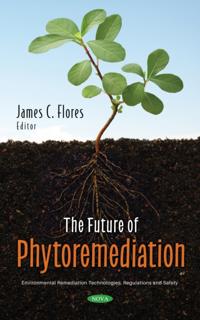
This book includes eight chapters about phytoremediation, which is the use of plants for the cost-effective, environmentally friendly rehabilitation of soil and groundwater contaminated by toxic metals and organic compounds. Chapter One describes which plant species are most effective for use in phytoremediation. Chapter Two details how changes in the quality of light impact plant health, which in turn impacts the efficacy of phytoremediation. Chapter Three presents data related to the anatomical characteristics, popular use, chemical composition, and forms of growth of Pistia stratiotes, a plant commonly used in phytoremediation. Chapter Four highlights the use of constructed wetlands in the treatment and recovery of dairy wastewater. Chapter Five provides the results of a study of different species of plants and their effects on the microbial activity of a limestone quarry. Chapter Six summarizes the properties of purple non sulfur bacteria and their use in plant growth enhancement and bioremediation. Chapter Seven examines which species of plant are most effective for removing lead and cadmium in agricultural areas. Finally, Chapter Eight provides a critical view about what should be done to boost research surrounding phytoremediation in order to generate more ecofriendly restoration processes to recover polluted lands.
- Redaktør
- James C. Flores
- ISBN
- 9781536196450
- Språk
- Engelsk
- Utgivelsesdato
- 11.6.2021
- Tilgjengelige elektroniske format
- PDF - Adobe DRM
- Les e-boka her
- E-bokleser i mobil/nettbrett
- Lesebrett
- Datamaskin






