Spar
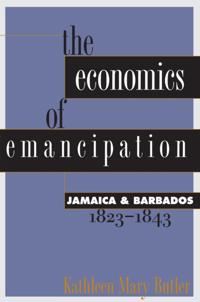
Economics of Emancipation
Les i Adobe DRM-kompatibelt e-bokleserDenne e-boka er kopibeskyttet med Adobe DRM som påvirker hvor du kan lese den. Les mer
The British Slavery Abolition Act of 1834 provided a grant of 20 million to compensate the owners of West Indian slaves for the loss of their human 'property.' In this first comparative analysis of the impact of the award on the colonies, Mary Butler focuses on Jamaica and Barbados, two of Britains premier sugar islands. The Economics of Emancipation examines the effect of compensated emancipation on colonial credit, landownership, plantation land values, and the broader spheres of international trade and finance. Butler also brings the role and status of women as creditors and plantation owners into focus for the first time. Through her analysis of rarely used chancery court records, attorneys' letters, and compensation returns, Butler underscores the fragility of the colonial economies of Jamaica and Barbados, illustrates the changing relationship between planters and merchants, and offers new insights into the social and political history of the West Indies and Britain.
- Undertittel
- Jamaica and Barbados, 1823-1843
- Forfatter
- Kathleen Mary Butler
- ISBN
- 9781469639796
- Språk
- Engelsk
- Utgivelsesdato
- 15.12.2017
- Tilgjengelige elektroniske format
- Epub - Adobe DRM
- Les e-boka her
- E-bokleser i mobil/nettbrett
- Lesebrett
- Datamaskin






