Spar
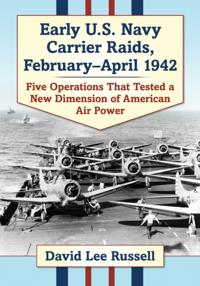
Early U.S. Navy Carrier Raids, February-April 1942
Les i Adobe DRM-kompatibelt e-bokleserDenne e-boka er kopibeskyttet med Adobe DRM som påvirker hvor du kan lese den. Les mer
? After the Japanese attack on Pearl Harbor, America's fast carrier task forces, with their aircraft squadrons and powerful support warships, went on the offensive. Under orders from Fleet Admiral Ernest J. King, the newly appointed Admiral Chester W. Nimitz, as the Commander-in-Chief of the Pacific Fleet, took the fight to the Japanese, using island raids to slow their advance in the Pacific. Beginning in February 1942, a series of task force raids led by the carriers USS Enterprise, USS Yorktown, USS Lexington and USS Hornet were launched, beginning in the Marshall Islands and Gilbert Islands. An attempted raid on Rabaul was followed by successful attacks on Wake Island and Marcus Island. The Lae-Salamaua Raid countered Japanese invasions on New Guinea. The most dramatic was the unorthodox Tokyo (Doolittle) Raid, where 16 carrier-launched B-25 medium bombers demonstrated that the Japanese mainland was open to U.S. air attacks. The raids had a limited effect on halting the Japanese advance but kept the enemy away from Hawaii, the U.S. West coast and the Panama Canal, and kept open lines of communications to Australia.
- Undertittel
- Five Operations That Tested a New Dimension of American Air Power
- Forfatter
- Russell David Lee Russell
- ISBN
- 9781476638614
- Språk
- Engelsk
- Utgivelsesdato
- 16.10.2019
- Tilgjengelige elektroniske format
- Epub - Adobe DRM
- Les e-boka her
- E-bokleser i mobil/nettbrett
- Lesebrett
- Datamaskin






