Spar
Cultural History of Work in the Early Modern Age
e-bok, 2020
Engelsk
Les i Adobe DRM-kompatibelt e-bokleserDenne e-boka er kopibeskyttet med Adobe DRM som påvirker hvor du kan lese den. Les mer
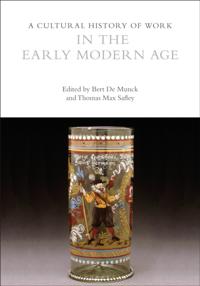
Winner of the 2020 PROSE Award for Multivolume Reference/Humanities In the early modern age technological innovations were unimportant relative to political and social transformations. The size of the workforce and the number of wage dependent people increased, due in large part to population growth, but also as a result of changes in the organization of work. The diversity of workplaces in many significant economic sectors was on the rise in the 16th-century: family farming, urban crafts and trades, and large enterprises in mining, printing and shipbuilding. Moreover, the increasing influence of global commerce, as accompanied by local and regional specialization, prompted an increased reliance on forms of under-compensated and non-compensated work which were integral to economic growth. Economic volatility swelled the ranks of the mobile poor, who moved along Europe's roads seeking sustenance, and the endemic warfare of the period prompted young men to sign on as soldiers and sailors. Colonists migrated to Europe's territories in the Americas, Africa, and Asia, while others were forced overseas as servants, convicts or slaves. The early modern age proved to be a renaissance in the political, social and cultural contexts of work which set the stage for the technological developments to come. A Cultural History of Work in the Early Modern Age presents an overview of the period with essays on economies, representations of work, workplaces, work cultures, technology, mobility, society, politics and leisure.
- Redaktør
- Bert De Munck, Thomas Max Safley
- ISBN
- 9781350078246
- Språk
- Engelsk
- Utgivelsesdato
- 17.9.2020
- Forlag
- BLOOMSBURY PUBLISHING
- Tilgjengelige elektroniske format
- PDF - Adobe DRM
- Les e-boka her
- E-bokleser i mobil/nettbrett
- Lesebrett
- Datamaskin