Spar
Crisis Management in the European Union
e-bok, 2009
Engelsk
Les i Adobe DRM-kompatibelt e-bokleserDenne e-boka er kopibeskyttet med Adobe DRM som påvirker hvor du kan lese den. Les mer
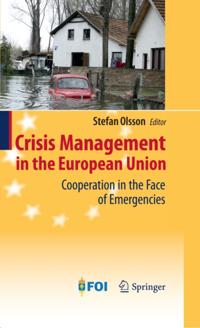
In less than a decade, Europe has witnessed a series of large-scale natural disasters and two major terrorist attacks. Growing concern about the trans-national effects of these incidents has caused the EU Member States to seek more multilateral cooperation. As a result, a system of common arrangements for handling large-scale emergencies or disasters has emerged, which, due to its quick and ad-hoc development, may seem almost impenetrable to newcomers to the field. This book seeks to provide a much-needed overview of disaster and crisis management systems in the EU. It provides a basic understanding of how EU policy has evolved, the EU's mandate, and above all, a concise and hands-on description of the most central crisis management arrangements. Written by some of Europe's main experts and consultants in the field, this book represents a unique and comprehensive source of information for everyone involved or interested in the European Union crisis management system."e;This book will quickly become an indispensable resource for two groups: Practitioners will enjoy its accessible and comprehensive style. Academics curious about this emerging field will turn to it for an introductory overview. As someone who closely studies this field, I find the book engaging, detailed, and accurate, and I read every line with great interest. The authors are to be commended for the quality of research that went into this work."e;Mark Rhinard, Senior Research Fellow at the Swedish Institute of International Affairs (UI)
- Undertittel
- Cooperation in the Face of Emergencies
- Redaktør
- Stefan Olsson
- ISBN
- 9783642006975
- Språk
- Engelsk
- Utgivelsesdato
- 6.7.2009
- Tilgjengelige elektroniske format
- PDF - Adobe DRM
- Les e-boka her
- E-bokleser i mobil/nettbrett
- Lesebrett
- Datamaskin