Spar
Colloquies, Volume 1
Les i Adobe DRM-kompatibelt e-bokleserDenne e-boka er kopibeskyttet med Adobe DRM som påvirker hvor du kan lese den. Les mer
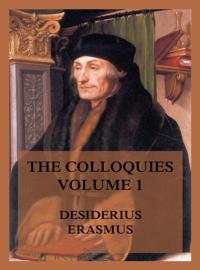
Erasmus' services to a new way of learning took various forms. He wrote school-books, bringing out his view that boys were kept too long over grammar, and ought to begin reading some good author as soon as possible. His own "e;Colloquies"e; were meant partly as models of colloquial Latin; the book was long a standard one in education. These lively dialogues are prose idylls with an ethical purpose,-the dramatic expression of the writer's views on the life of the day. Thus the dialogue between the Learned Lady and the Abbot depicts monastic illiteracy; that between the Soldier and the Carthusian brings out the seamy side of the military calling. Lucian has influenced the form; but the dramatic skill which blends earnestness with humour is the author's own; there are touches here and there which might fairly be called Shakspearian. This is part one of two.
- Forfatter
- Desiderius Erasmus
- Oversetter
- Nathan Bailey
- ISBN
- 9783849653798
- Språk
- Engelsk
- Utgivelsesdato
- 31.10.2019
- Forlag
- Jazzybee Verlag
- Tilgjengelige elektroniske format
- Epub - Adobe DRM
- Les e-boka her
- E-bokleser i mobil/nettbrett
- Lesebrett
- Datamaskin