Spar
Chesapeake and Ohio Canal
Les i Adobe DRM-kompatibelt e-bokleserDenne e-boka er kopibeskyttet med Adobe DRM som påvirker hvor du kan lese den. Les mer
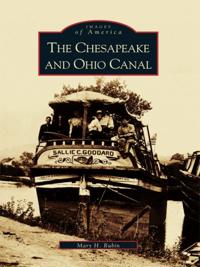
From the fights of founding fathers to those fought in the supreme court, the pivotal role of this unassuming canal comes to life with historic images and insider insights. With the founding of his Patowmack Company in 1785, George Washington first hoped to make the Potomac River a viable route to America's West. The skirting canals the company constructed around the Great Falls rapids at Harpers Ferry, Seneca, and Little Falls made the Potomac's rushing waters navigable. The Chesapeake and Ohio Canal Company was chartered by Maryland, Virginia, and Pennsylvania in 1828 to build a truly useful canal through to the Ohio Valley. President John Quincy Adams turned the first spadeful of dirt on Independence Day of 1828 for what was hailed as the "e;Great National Project"e; to connect Georgetown to Pittsburgh, Pennsylvania. The canal created an entire community of people and a way of life different from any other. At the height of operations, over 500 boats plied the 184.5 miles of the canal's waters. After many financial difficulties, competition from railroads, and the devastating effects of the Civil War as well as a flood, the canal went into receivership and was closed in 1924. In 1954, Supreme Court Justice William O. Douglas brought attention back to the canal with a fight to preserve the natural beauty for local residents. Today, the canal-listed as a National Historical Park-provides thousands with recreational opportunities, scenic nature trails, and gorgeous views.
- Forfatter
- Mary H. Rubin
- ISBN
- 9781439612507
- Språk
- Engelsk
- Utgivelsesdato
- 19.11.2003
- Forlag
- Arcadia Publishing
- Tilgjengelige elektroniske format
- Epub - Adobe DRM
- Les e-boka her
- E-bokleser i mobil/nettbrett
- Lesebrett
- Datamaskin






