Spar
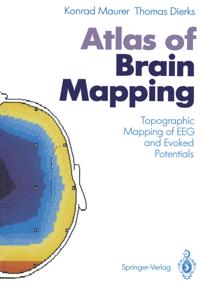
Atlas of Brain Mapping
Les i Adobe DRM-kompatibelt e-bokleserDenne e-boka er kopibeskyttet med Adobe DRM som påvirker hvor du kan lese den. Les mer
From its discovery in 1929 by Hans Berger until the late 1960s, when sensory visual and auditory evoked potentials were dis- covered and became popular, the EEG was the most important method of neurophysiological examination. W-ith the advent of computer technology in the 1980s, it became possible to plot the potential fields of the EEG onto models of the scalp. This plot- ting of information as neuroimages followed the structural and functional techniques of Cf, MRI, PET and SPECf. The success of this method, which began in the early 1980s, has led to the brain mapping of EEGs and EPs being increasingly used for di- agnosistic purposes in neurology, psychiatry and psychopharma- cology. The pioneers of this method believed in it and were commit- ted to its success. However, many traditionalists felt that it gave no new information and so regarded the method with scepticism. Some found both the coloured maps and the mapping technique misleading, which led to unnecessary conflict between mappers and their chromophobic oponents. Emotions have run so high that some professional bodies have justifiably adopted guidelines and warned of the misuse of the method.
- Undertittel
- Topographic Mapping of EEG and Evoked Potentials
- Forfatter
- Thomas Dierks, Konrad Maurer
- ISBN
- 9783642760433
- Språk
- Engelsk
- Utgivelsesdato
- 6.12.2012
- Tilgjengelige elektroniske format
- PDF - Adobe DRM
- Les e-boka her
- E-bokleser i mobil/nettbrett
- Lesebrett
- Datamaskin