Spar
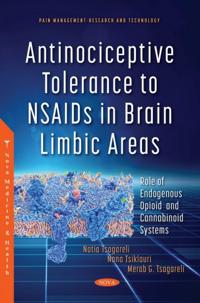
Antinociceptive Tolerance to NSAIDs in Brain Limbic Areas
The development of pain as a common experience and its treatment is very important, not only where it is caused by injury or inflammation, but also in chronic states where the nerves themselves are damaged. Even though we already know from physiological studies that special pain receptors or nociceptors are responsible for conducting pain sensations to the brain, the phenomenon of pain remains a medical and social problem. Pain relief or analgesia can be achieved using several different approaches and strategies. Non-steroidal anti-inflammatory drugs are the most widely used analgesics. They have analgesic, antipyretic, and, at higher doses, anti-inflammatory actions. However, a few recent studies have demonstrated that in the case of their prolonged use, these non-opioid drugs elicit the opioid-like effect of tolerance, which alongside drug withdrawal syndrome may entail serious adverse effects. This book provides up-to-date review information and experimental findings concerning antinociceptive tolerance to NSAIDs. The first three chapters after the introduction are devoted to literature reviews on brain limbic areas, opioid and cannabinoid systems, and non-opioid antinociceptive tolerance. Chapters Five, Six and Seven describe research data on antinociceptive tolerance to NSAIDs and opioid and cannabinoid mechanisms of attenuation of nociceptive hyperalgesia in the cingulate cortex, insular cortex, and central amygdala. Chapters Eight, Nine and Ten include discussion, summary and conclusions, as well as a detailed description of experimental materials and methods.
- Undertittel
- Role of Endogenous Opioid and Cannabinoid Systems
- Forfatter
- Merab G. Tsagareli
- ISBN
- 9781536198140
- Språk
- Engelsk
- Vekt
- 244 gram
- Utgivelsesdato
- 17.8.2021
- Antall sider
- 146






