Spar
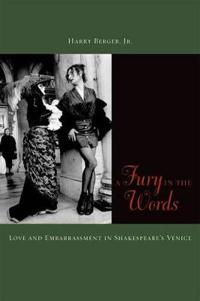
A Fury in the Words
Shakespeare's two Venetian plays are dominated by the discourse of embarrassment. The Merchant of Venice is a comedy of embarrassment, and Othello is a tragedy of embarrassment. This nomenclature is admittedly anachronistic, because the term "embarrassment" didn't enter the language until the late seventeenth century.
To embarrass is to make someone feel awkward or uncomfortable, humiliated or ashamed. Such feelings may respond to specific acts of criticism, blame, or accusation. "To embarrass" is literally to "embar": to put up a barrier or deny access. The bar of embarrassment may be raised by unpleasant experiences. It may also be raised when people are denied access to things, persons, and states of being they desire or to which they feel entitled.
The Venetian plays represent embarrassment not merely as a condition but as a weapon and as the wound the weapon inflicts. Characters in The Merchant of Venice and Othello devote their energies to embarrassing one another. But even when the weapon is sheathed, it makes its presence felt, as when Desdemona means to praise Othello and express her love for him: "I saw Othello's visage in his mind" (1.3.253). This suggests, among other things, that she didn't see it in his face.
- Undertittel
- Love and Embarrassment in Shakespeare's Venice
- Forfatter
- Harry Berger
- ISBN
- 9780823241941
- Språk
- Engelsk
- Vekt
- 769 gram
- Utgivelsesdato
- 14.11.2012
- Forlag
- Fordham University Press
- Antall sider
- 240