Tallenna
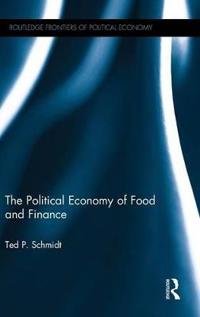
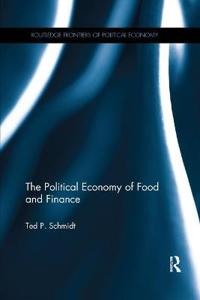
The Political Economy of Food and Finance
The financialization, globalization and industrialization of our food systems make it increasingly difficult to access quality fresh food. In fact, the industrialized global food system is creating products that are less food-like, engendering growing questions about the health and safety of our food supply. In addition, the bio-engineering of food commodities is another factor influencing the growth of industrial farming for an increasingly homogenized, globalized market.
This book describes the financialization process in commodity futures markets which transformed commodities into an asset class. Incorporated into the portfolio decisions of investors, commodity prices now behave like all asset prices, becoming more volatile and subject to periodic bubbles. As commodity prices were driven higher in the 2000s, farmland became more valuable, setting off a global land grab by investors, nations, and corporations. More recently, under the financialization food regime, slow growth and low returns encouraged merger activity driven by private equity firms, with food industry corporations as prime targets, leading to increased industry concentration.
With government policy focused on supporting corporate interests, there has been a global reaction to the current food system. The food sovereignty movement is taking on the interests behind the global land grab, and the regional food movement in cities across the U.S. is hitting corporations at the bottom line. Food corporations are listening. Is the food movement winning?
This book is of interest to those who study political economy, financialization and agriculture and related studies, as well as food systems and commodity future markets.
- Kirjailija
- Ted P. Schmidt
- ISBN
- 9781138299375
- Kieli
- englanti
- Paino
- 330 grammaa
- Julkaisupäivä
- 16.6.2017
- Kustantaja
- Routledge
- Sivumäärä
- 160