Tallenna
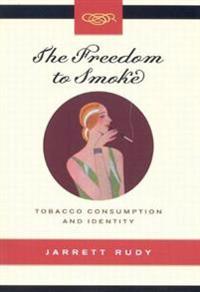
The Freedom to Smoke
Kirjailija:
nidottu, 2005
englanti
In the late Victorian era, smoking was a male habit and tobacco was consumed mostly in pipes and cigars. By the mid-twentieth century, advertising and movies had not only made it acceptable for women to smoke but smoking had become a potent symbol of their emancipation. From mass cigarette production in 1888 to the first studies linking cigarettes to lung cancer in 1950, The Freedom to Smoke explores gender and other key issues related to smoking in Montreal, including the arrival of "big tobacco," first attempts to ban the cigarette, wartime tobacco funds, French Canadian smoking habits, rituals of manliness, and the growing respectability of women smokers - none of which have been examined by historians. Jarrett Rudy argues that while people smoked for highly personal reasons, their smoking rituals were embedded in social relations and shaped by dominant norms of taste and etiquette. The Freedom to Smoke examines the role of the tobacco industry, health experts, churches, farmers, newspapers, the military, the state, and smokers themselves. A pioneering city-based study, it weaves Western understandings of respectable smoking through Montreal's diverse social and cultural fabric. Rudy argues that etiquette gave smoking a political role, reflecting and serving to legitimize beliefs about inclusion, exclusion, and hierarchy that were at the core of a transforming liberal order.
- Alaotsikko
- Tobacco Consumption and Identity
- Kirjailija
- Jarrett Rudy
- ISBN
- 9780773529113
- Kieli
- englanti
- Paino
- 380 grammaa
- Julkaisupäivä
- 30.9.2005
- Kustantaja
- McGill-Queen's University Press
- Sivumäärä
- 248