Tallenna
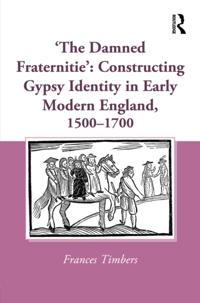
'The Damned Fraternitie': Constructing Gypsy Identity in Early Modern England, 1500-1700
Lue Adobe DRM-yhteensopivassa e-kirjojen lukuohjelmassaTämä e-kirja on kopiosuojattu Adobe DRM:llä, mikä vaikuttaa siihen, millä alustalla voit lukea kirjaa. Lue lisää
'The Damned Fraternitie': Constructing Gypsy Identity in Early Modern England, 1500-1700 examines the construction of gypsy identity in England between the early sixteenth century and the end of the seventeenth century. Drawing upon previous historiography, a wealth of printed primary sources (including government documents, pamphlets, rogue literature, and plays), and archival material (quarter sessions and assize cases, parish records and constables's accounts), the book argues that the construction of gypsy identity was part of a wider discourse concerning the increasing vagabond population, and was further informed by the religious reformations and political insecurities of the time. The developing narrative of a fraternity of dangerous vagrants resulted in the gypsy population being designated as a special category of rogues and vagabonds by both the state and popular culture. The alleged Egyptian origin of the group and the practice of fortune-telling by palmistry contributed elements of the exotic, which contributed to the concept of the mysterious alien. However, as this book reveals, a close examination of the first gypsies that are known by name shows that they were more likely Scottish and English vagrants, employing the ambiguous and mysterious reputation of the newly emerging category of gypsy. This challenges the theory that sixteenth-century gypsies were migrants from India and/or early predecessors to the later Roma population, as proposed by nineteenth-century gypsiologists. The book argues that the fluid identity of gypsies, whose origins and ethnicity were (and still are) ambiguous, allowed for the group to become a prime candidate for the 'other', thus a useful tool for reinforcing the parameters of orthodox social behaviour.
- Kirjailija
- Frances Timbers
- ISBN
- 9781317036524
- Kieli
- englanti
- Julkaisupäivä
- 20.4.2016
- Kustantaja
- TAYLOR FRANCIS
- Formaatti
- PDF - Adobe DRM
- Lue e-kirjoja täällä
- Lue e-kirja mobiililaitteella/tabletilla
- Lukulaite
- Tietokone







