Tallenna
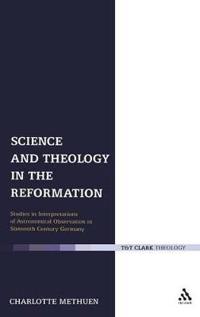
Science and Theology in the Reformation
Beginning with an exploration of how the Reformers conceived the relationship between natural and moral philosophy, that is, physics and ethics, the author then investigates the relationship between natural law and the order of nature in the thought of Philip Melanchthon.
These articles set the scene for a discussion of the role of theological arguments, and in particular understandings of God's Providence, in the interpretation of astronomical phenomena in the late sixteenth century. A similar interaction between theological, astronomical and political arguments shaped Michael Maestlin's objections to the Gregorian calendar reform. Johannes Kepler's arguments for the authority of his astronomical theories show a tacit awareness that that novelty was to be equated with heresy also draw on theological motifs. The strong parallel between his use of the theory of accommodation and his understanding of hypothesis suggest that questions of theology and questions of proof were closely related in his mind.
A final chapter considers critically Sachiko Kusukawa's thesis that Melanchthon established "a Lutheran natural philosophy".
- Alaotsikko
- Studies in Interpretations of Astronomical Observation in Sixteenth-Century Germany
- Kirjailija
- Charlotte Methuen
- ISBN
- 9780567032713
- Kieli
- englanti
- Paino
- 376 grammaa
- Julkaisupäivä
- 26.6.2008
- Kustantaja
- T. T.Clark Ltd
- Sivumäärä
- 144







