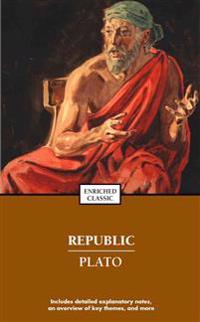
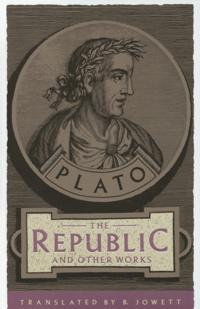
Republic
Kirjailija:
E-kirja, 2024
englanti
2,10 €
Lisää toivelistalle
Plato''s "Rhetoric" explores the distinction between true knowledge and persuasive speech. Through Socrates'' dialogues, it critiques conventional rhetoric, warning against its potential for manipulation and moral corruption. Socrates advocates for a deeper, more ethical approach to rhetoric, grounded in genuine understanding and a commitment to truth. He emphasizes the importance of dialectic, urging readers to prioritize logical reasoning over mere persuasion. Ultimately, "Rhetoric" challenges readers to reconsider their assumptions about language and communication, urging them to aspire to a higher standard of intellectual and moral integrity in their pursuit of knowledge and truth.
- Kirjailija
- Plato
- Kääntäjä
- Benjamin Jowett
- ISBN
- 9781648631474
- Kieli
- englanti
- Julkaisupäivä
- 1.2.2024
- Kustantaja
- Distributed By Ingram Spark
- Sivumäärä
- 252
- Formaatti
- Epub - Adobe DRM
- Lue e-kirjoja täällä
- Lue e-kirja mobiililaitteella/tabletilla
- Lukulaite
- Tietokone