Tallenna
Reno's Big Gamble
Lue Adobe DRM-yhteensopivassa e-kirjojen lukuohjelmassaTämä e-kirja on kopiosuojattu Adobe DRM:llä, mikä vaikuttaa siihen, millä alustalla voit lukea kirjaa. Lue lisää
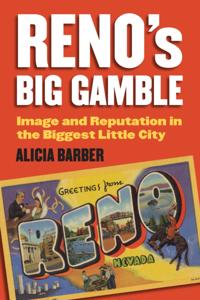
When Pittsburgh socialite Laura Corey rolled into Reno, Nevada, in 1905 for a six-month stay, her goal was a divorce from the president of U.S. Steel. Her visit also provided a provocative glimpse into the citys future.With its rugged landscape and rough-edged culture, Reno had little to offer early twentieth-century visitors besides the gambling and prostitution that had remained unregulated since Nevadas silver-mining heyday. But the possibility of easy divorce attracted national media attention, East Coast notables, and Hollywood stars, and soon the Reno Cure was all the rage. Almost overnight, Reno was on the map. Alicia Barber traces the transformation of Renos reputation from backward railroad town to the nationally known Sin Centralas Garrison Keillor observed, a place where you could see things that you wouldnt want to see in your own hometown. Chronicling the citys changing fortunes from the days of the Comstock Lode, she describes how city leaders came to embrace an identity as The Biggest Little City in the World and transform their town into a lively tourist mecca.Focusing on the evolution of urban reputation, Barber carefully distinguishes between the image that a citys promoters hope to manufacture and the impression that outsiders actually have. Interweaving aspects of urban identity, she shows how sense of place, promoted image, and civic reputation intermingled and influenced each otherand how they in turn shaped the urban environment.Quickie divorces notwithstanding, Renos primary growth engine was gambling; modern casinos came to dominate the downtown landscape. When mainstream America balked, Reno countered by advertising tax freedom and natural splendor to attract new residents. But by the mid-seventies, unchecked growth and competition from Las Vegas had initiated a downslide that persisted until a carefully crafted series of special events and the rise of recreational tourism began to attract new breeds of tourists.Barbers engaging story portrays Reno as more than a second-string Las Vegas, having pioneered most of the attractionsgaming and prizefighting, divorces and weddingsthat made the larger city famous. As Reno continues to remold itself to weather the shifting winds of tourism and growth, Barbers book provides a cautionary tale for other cities hoping to ride the latest consumer trends.
- Alaotsikko
- Image and Reputation in the Biggest Little City
- Kirjailija
- Alicia Barber
- ISBN
- 9780700632480
- Kieli
- englanti
- Julkaisupäivä
- 1.7.2021
- Kustantaja
- UNIVERSITY PRESS OF KANSAS
- Formaatti
- Epub - Adobe DRM
- Lue e-kirjoja täällä
- Lue e-kirja mobiililaitteella/tabletilla
- Lukulaite
- Tietokone







