Prescription TV
Kirjailija:
E-kirja, 2012
englanti
50,30 €
Lisää toivelistalle
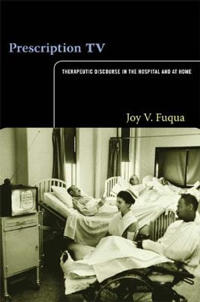
Tracing the history of television as a therapeutic device, Joy V. Fuqua describes how TVs came to make hospitals seem more like home and, later, "medicalized" the modern home. She examines the introduction of television into the private hospital room in the late 1940s and 1950s and then moves forward several decades to consider the direct-to-consumer prescription drug commercials legalized in 1997. Fuqua explains how, as hospital administrators and designers sought ways of making the hospital a more inviting, personalized space, TV sets came to figure in the architecture and layout of health care facilities. Television manufacturers seized on the idea of therapeutic TV, specifying in their promotional materials how TVs should be used in the hospital and positioned in relation to the viewer. With the debut of direct-to-consumer prescription drug advertising in the late 1990s, television assumed a much larger role in the medical marketplace. Taking a case-study approach, Fuqua uses her analysis of an ad campaign promoting Pfizer''s Viagra to illustrate how television, and later the Internet, turned the modern home into a clearinghouse for medical information, redefined and redistributed medical expertise and authority, and, in the process, created the contemporary consumer-patient.
- Kirjailija
- Joy V. Fuqua
- ISBN
- 9780822394747
- Kieli
- englanti
- Julkaisupäivä
- 19.6.2012
- Kustantaja
- Duke University Press