Tallenna
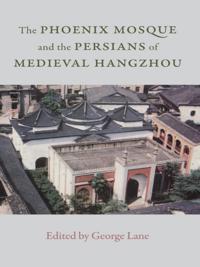
Phoenix Mosque and the Persians of Medieval Hangzhou
e-kirja, 2019
englanti
Lue Adobe DRM-yhteensopivassa e-kirjojen lukuohjelmassaTämä e-kirja on kopiosuojattu Adobe DRM:llä, mikä vaikuttaa siihen, millä alustalla voit lukea kirjaa. Lue lisää
In the early 1250s, Mongke Khan, grandson and successor of the mighty Mongol emperor, Genghis Khan, sent out his younger brothers Qubilai and Hulegu to consolidate his power. Hulegu was welcomed into Iran while his older brother, Qubilai, continued to erode the power of the Song emperors of southern China. In 1276, he finally forced their submission and peacefully occupied the Song capital, Hangzhou. The city enjoyed a revival as the cultural capital of a united China and was soon filled with traders, adventurers, artists, entrepreneurs, and artisans from throughout the great Mongol Empire-including a prosperous, influential, and seemingly welcome community of Persians. In 1281, one of the Persian settlers, Ala al-Din, built the Phoenix Mosque in the heart of the city where it still stands today. This study of the mosque and the Ju-jing Yuan cemetery, which today is a lake-side public park, casts light on an important and transformative period in Chinese history, and perhaps the most important period in Chinese-Islamic history. The book is published in the Persian Studies Series of the British Institute of Persian Studies (BIPS) edited by Charles Melville.
- Kääntäjä
- Charles Meville
- Toimittaja
- George A. Lane
- ISBN
- 9781909942899
- Kieli
- englanti
- Julkaisupäivä
- 15.2.2019
- Kustantaja
- GINGKO
- Formaatti
- Epub - Adobe DRM
- Lue e-kirjoja täällä
- Lue e-kirja mobiililaitteella/tabletilla
- Lukulaite
- Tietokone







