Tallenna
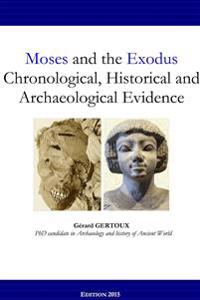
Moses and the Exodus Chronological, Historical and Archaeological Evidence
The existence Moses as well as the Exodus are disputed despite they form the basis of the Passover which meant the Promised Land for Jews and later the Paradise for Christians. For most Egyptologists there is absolutely no evidence of Moses and the Exodus in Egyptian documents. However, the last king of the 15th dynasty named Apopi (1613-1573) met Seqenenre Taa, the last pharaoh of the 17th dynasty, who died in May 1533 BCE in dramatic and unclear circumstances (Ps 136:15) as well as his eldest son and crown prince: Ahmose Sapair, who died shortly before him (Ex 12:29). Prince Kamose, Seqenenre Taa's brother, assured interim of authority for 3 years and threatened attack Apopi, new prince of Retenu (Palestine) who had taken the name Moses, according to Manetho. In the stele of the Tempest, Kamose also blamed Apopi for all the disasters that come to fall upon Egypt, which caused many deaths.
- Kirjailija
- Gerard Gertoux
- ISBN
- 9781329445253
- Kieli
- englanti
- Paino
- 310 grammaa
- Julkaisupäivä
- 8.8.2015
- Kustantaja
- Lulu.com
- Sivumäärä
- 268







