Tallenna
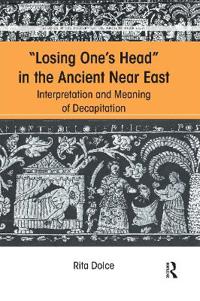
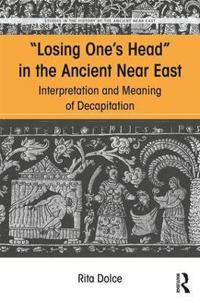
Losing One's Head in the Ancient Near East
In the Ancient Near East, cutting off someone’s head was a unique act, not comparable to other types of mutilation, and therefore charged with a special symbolic and communicative significance. This book examines representations of decapitation in both images and texts, particularly in the context of war, from a trans-chronological perspective that aims to shed light on some of the conditions, relationships and meanings of this specific act. The severed head is a “coveted object” for the many individuals who interact with it and determine its fate, and the act itself appears to take on the hallmarks of a ritual. Drawing mainly on the evidence from Anatolia, Syria and Mesopotamia between the third and first millennia BC, and with reference to examples from prehistory to the Neo-Assyrian Period, this fascinating study will be of interest not only to art historians, but to anyone interested in the dynamics of war in the ancient world.
- Alaotsikko
- Interpretation and Meaning of Decapitation
- Kirjailija
- Rita Dolce
- ISBN
- 9781138067486
- Kieli
- englanti
- Paino
- 317 grammaa
- Julkaisupäivä
- 19.12.2017
- Kustantaja
- Routledge
- Sivumäärä
- 110