Tallenna
Hot Stove Economics
Lue Adobe DRM-yhteensopivassa e-kirjojen lukuohjelmassaTämä e-kirja on kopiosuojattu Adobe DRM:llä, mikä vaikuttaa siihen, millä alustalla voit lukea kirjaa. Lue lisää
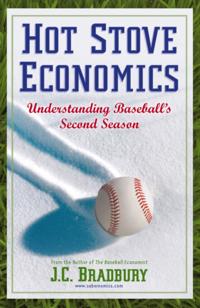
The final out of the World Series marks the beginning of baseball's second season, when teams court free agents and orchestrate trades with the hope of building a championship contender. The real and anticipated transactions generate excitement among fans who discuss the merit of moves in the arena informally known as the "e;hot stove league."e; In Hot Stove Economics, economist J.C. Bradbury answers the hot stove league's most important question: what are baseball players worth? With in-depth analysis, Bradbury identifies the game's best and worst contracts-revealing the bargains, duds, and players who are worth every penny they receive. From minor-league prospects to major-league MVPs, Bradbury examines how factors such as revenue growth, labor rules, and aging- even down to the month in which players are born-shape players' worth and evaluates how well franchises manage their rosters. He broadly applies the principles of economics to baseball in a way that is both interesting and understandable to sports fanatics, team managers, armchair economists and students alike.
- Alaotsikko
- Understanding Baseball's Second Season
- Kirjailija
- J.C. Bradbury
- ISBN
- 9781441962690
- Kieli
- englanti
- Julkaisupäivä
- 29.9.2010
- Kustantaja
- SPRINGER NEW YORK
- Formaatti
- PDF - Adobe DRM
- Lue e-kirjoja täällä
- Lue e-kirja mobiililaitteella/tabletilla
- Lukulaite
- Tietokone







