Tallenna
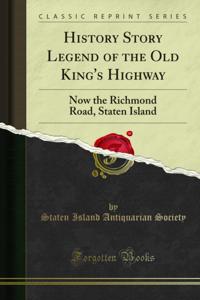
History Story Legend of the Old King's Highway
Lue Adobe DRM-yhteensopivassa e-kirjojen lukuohjelmassaTämä e-kirja on kopiosuojattu Adobe DRM:llä, mikä vaikuttaa siihen, millä alustalla voit lukea kirjaa. Lue lisää
Whilst the greatest effort has been made to ensure the quality of this text, due to the historical nature of this content, in some rare cases there may be minor issues with legibility. Staten Island, lying as it does opposite the entrance of New York Harbor, was naturally visited by the early explorers and, as its convenience and fertility were great, it was soon apportioned among the first Settlers. Verrazano discovered the Island in Henry Hudson, on September 2, 1609, when he called it Staaten Eylandt in honor of the States General of the Netherlands, in whose interests his expedition was sent out. The Indians were quickly evicted and few, if any, of their traditions remain, though evidences of their former occupancy are found at many points. Without any idea of private ownership in land - or probably much understanding of what they were doing - they sold the Island as often as a purchaser could be found who would pay a few copper kettles or bright colored blankets: First to Michael Pauw, in 1630, the Island having been included in a grant to Pauw by the Dutch proprietors. He called his possessions Pavonia. Other proprietors were David Petersen de Vries, 1639 Cornelis Melyn, 1641. There was trouble with the Indians during these early days, due largely to harsh treatment at the hands of the white man. In 1641 and again in 1655 the Indians swept the Island of white settlers, killing those who were not fortunate enough to escape.
- Alaotsikko
- Now the Richmond Road, Staten Island
- Kirjailija
- Staten Island Antiquarian Society
- ISBN
- 9780243771356
- Kieli
- englanti
- Julkaisupäivä
- 27.11.2019
- Kustantaja
- Forgotten Books
- Formaatti
- PDF - Adobe DRM
- Lue e-kirjoja täällä
- Lue e-kirja mobiililaitteella/tabletilla
- Lukulaite
- Tietokone







