Tallenna
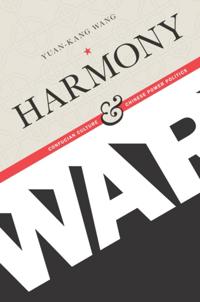
Harmony and War
Lue Adobe DRM-yhteensopivassa e-kirjojen lukuohjelmassaTämä e-kirja on kopiosuojattu Adobe DRM:llä, mikä vaikuttaa siihen, millä alustalla voit lukea kirjaa. Lue lisää
Confucianism has shaped a certain perception of Chinese security strategy, symbolized by the defensive, nonaggressive Great Wall. Many believe China is antimilitary and reluctant to use force against its enemies. It practices pacifism and refrains from expanding its boundaries, even when nationally strong. In a path-breaking study traversing six centuries of Chinese history, Yuan-kang Wang resoundingly discredits this notion, recasting China as a practitioner of realpolitik and a ruthless purveyor of expansive grand strategies. Leaders of the Song Dynasty (960-1279) and Ming Dynasty (1368-1644) prized military force and shrewdly assessed the capabilities of China's adversaries. They adopted defensive strategies when their country was weak and pursued expansive goals, such as territorial acquisition, enemy destruction, and total military victory, when their country was strong. Despite the dominance of an antimilitarist Confucian culture, warfare was not uncommon in the bulk of Chinese history. Grounding his research in primary Chinese sources, Wang outlines a politics of power that are crucial to understanding China's strategies today, especially its policy of "e;peaceful development,"e; which, he argues, the nation has adopted mainly because of its military, economic, and technological weakness in relation to the United States.
- Alaotsikko
- Confucian Culture and Chinese Power Politics
- Kirjailija
- Yuan-kang Wang
- ISBN
- 9780231522403
- Kieli
- englanti
- Julkaisupäivä
- 15.12.2010
- Kustantaja
- Columbia University Press
- Formaatti
- Epub - Adobe DRM
- Lue e-kirjoja täällä
- Lue e-kirja mobiililaitteella/tabletilla
- Lukulaite
- Tietokone







