Tallenna
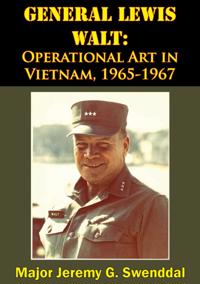
General Lewis Walt: Operational Art in Vietnam, 1965-1967
Lue Adobe DRM-yhteensopivassa e-kirjojen lukuohjelmassaTämä e-kirja on kopiosuojattu Adobe DRM:llä, mikä vaikuttaa siihen, millä alustalla voit lukea kirjaa. Lue lisää
This study investigates the significant effect of mobility, counter-mobility, survivability, and topographic engineering on the American Civil War Campaign of Chancellorsville. The operations occurred near Fredericksburg, Virginia, in April and May of 1863. In the battle, the Confederate Army of Northern Virginia decisively defeated the Union Army of the Potomac. Engineer-related considerations contributed immensely to the Confederate victory. Engineer battlefield functions influenced the operations of both armies. The Union Engineer Brigade constructed numerous pontoon bridges to overcome the river obstacles prior to and following the battle. This capability allowed the Union Army to initially surprise and envelop the Confederate Army. The natural obstacles of the rivers and forests and manmade obstacles of abatis hindered maneuver. Survivability was a significant factor during the fighting. At Chancellorsville, the Confederates used entrenchments for the first time in open operations. This strengthened their economy of force in front of the Union Army and gave "e;Stonewall"e; Jackson mass during his successful enveloping attack. Finally, topographic engineering was important through map production and reconnaissance by engineers. This study concludes that the Confederate Army integrated the engineer battlefield functions more effectively than the Union Army. In part, this explains the decisive Confederate victory.
- Kirjailija
- Major Jeremy G. Swenddal
- ISBN
- 9781786251923
- Kieli
- englanti
- Julkaisupäivä
- 6.11.2015
- Kustantaja
- Pickle Partners Publishing
- Formaatti
- Epub - Adobe DRM
- Lue e-kirjoja täällä
- Lue e-kirja mobiililaitteella/tabletilla
- Lukulaite
- Tietokone







