Tallenna
Environmental History of Oceanic Islands
Lue Adobe DRM-yhteensopivassa e-kirjojen lukuohjelmassaTämä e-kirja on kopiosuojattu Adobe DRM:llä, mikä vaikuttaa siihen, millä alustalla voit lukea kirjaa. Lue lisää
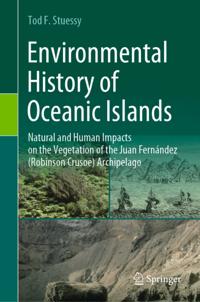
The Juan Fernandez Archipelago is located in the Pacific Ocean west of Chile at 33(deg) S latitude. Robinson Crusoe Island is 667 km from the continent and approximately four million years old; Alejandro Selkirk Island is an additional 181 km west and only one million years old. The natural impacts of subsidence and erosion have shaped the landscapes of these islands, resulting in progressive changes to their subtropical vegetation. The older island has undergone more substantial changes, due to both natural causes and human impacts. After the discovery of Robinson Crusoe Island in 1574, people began cutting down forests for lumber to construct boats and homes, for firewood, and to make room for pastures. Domesticated plants and animals were introduced, some of which have since become feral or invasive, causing damage to the local vegetation. The wealth of historical records on these activities provides a detailed chronicle of how human beings use their environment for survival in a newecosystem. This book offers an excellent case study on the impacts that people can have on the resources of an oceanic island.
- Alaotsikko
- Natural and Human Impacts on the Vegetation of the Juan Fernandez (Robinson Crusoe) Archipelago
- Kirjailija
- Tod F. Stuessy
- ISBN
- 9783030478711
- Kieli
- englanti
- Julkaisupäivä
- 1.7.2020
- Kustantaja
- Springer International Publishing
- Formaatti
- Epub - Adobe DRM
- Lue e-kirjoja täällä
- Lue e-kirja mobiililaitteella/tabletilla
- Lukulaite
- Tietokone







