Tallenna
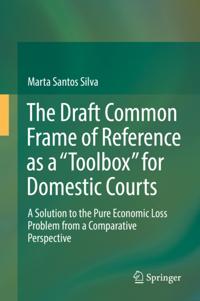
Draft Common Frame of Reference as a "e;Toolbox"e; for Domestic Courts
Lue Adobe DRM-yhteensopivassa e-kirjojen lukuohjelmassaTämä e-kirja on kopiosuojattu Adobe DRM:llä, mikä vaikuttaa siihen, millä alustalla voit lukea kirjaa. Lue lisää
This book investigates whether national courts could and should import innovative solutions from abroad in the adjudication of complex legal disputes. Special attention is paid to the concept of "e;legally relevant damage"e; and its importance in overcoming the deadlock created by the category of "e;pure economic loss"e; in the Portuguese and German tort law systems. These systems are essentially based on the concept of unlawfulness ("e;Rechtswidrigkeit"e;), which limits the compensation for pure economic loss to where a protective rule is infringed. These losses have nevertheless been compensated for through the extensive interpretation of rules and the appeal to near-contractual devices, which has been detrimental to legal certainty, the equality before the law, and subjects' freedom of action. This book explains why courts can and should take a proactive role and apply DCFR-based solutions in order to compensate for every loss that is worthy of legal protection.
- Alaotsikko
- A Solution to the Pure Economic Loss Problem from a Comparative Perspective
- Kirjailija
- Marta Santos Silva
- ISBN
- 9783319529233
- Kieli
- englanti
- Julkaisupäivä
- 3.7.2017
- Kustantaja
- Springer International Publishing
- Formaatti
- Epub - Adobe DRM
- Lue e-kirjoja täällä
- Lue e-kirja mobiililaitteella/tabletilla
- Lukulaite
- Tietokone







