Tallenna
Culture of Fengshui in Korea
Lue Adobe DRM-yhteensopivassa e-kirjojen lukuohjelmassaTämä e-kirja on kopiosuojattu Adobe DRM:llä, mikä vaikuttaa siihen, millä alustalla voit lukea kirjaa. Lue lisää
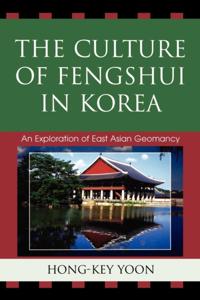
The term Fengshui, which literally means 'wind and water,' is the ancient Chinese art of selecting an auspicious site to provide the most harmonious relationship between human and earth. The term is generally translated as "e;geomancy,"e; and has had a deep and extensive impact on Korean, Chinese, and other East Asian cultures. Hong-key Yoon's book explores the nature of geomantic principles and the culture of practicing them in Korean cultural contexts. Yoon first examines the nature and historical background of geomancy, geomantic principles for auspicious sites (houses, graves, and cities) and provides an interpretation of geomantic principles as practiced in Korea. Yoon looks at geomancy's influence on cartography, religion and philosophy, and urban development in both Korea and China. Finally, Yoon debates the role of geomancy in the iconographical warfare between Japanese colonialism and Korean nationalism as it affected the cultural landscape of Kyongbok Palace in Seoul.
- Alaotsikko
- An Exploration of East Asian Geomancy
- Kirjailija
- Hong-Key Yoon
- ISBN
- 9780739153857
- Kieli
- englanti
- Julkaisupäivä
- 13.11.2006
- Kustantaja
- Bloomsbury Publishing (USA)
- Formaatti
- Epub - Adobe DRM
- Lue e-kirjoja täällä
- Lue e-kirja mobiililaitteella/tabletilla
- Lukulaite
- Tietokone







