Tallenna
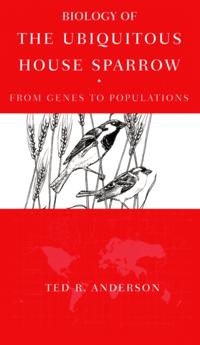
Biology of the Ubiquitous House Sparrow
Lue Adobe DRM-yhteensopivassa e-kirjojen lukuohjelmassaTämä e-kirja on kopiosuojattu Adobe DRM:llä, mikä vaikuttaa siihen, millä alustalla voit lukea kirjaa. Lue lisää
After the chicken, the House Sparrow is the most widely distributed bird species in the world, occurring on all continents except Antarctica and on most human-inhabited islands. Although its Latin name is Passer domesticus, it is certainly not domesticated. In fact, it is widely regarded as a pest species and is consequently not protected in most of its extensive range. This combination of ubiquity and minimal legal protection has contributed to its wide use in studies by avian biologists throughout the world. The purpose of this book is to review and summarize the results of these global studies on House Sparrows, and to provide a springboard for future studies on the species. House Sparrows have been used to study natural selection in introduced species, circadian rhythms, and the neuroendocrine control of the avian annual cycle. One current question of considerable interest concerns the catastrophic House Sparrow population declines in several urban centers in Europe. Is the House Sparrow a contemporary canary in the mine? Other topics of broad interest include the reproductive and flock-foraging strategies of sparrows, and sexual selection and the function of the male badge in the species. Anderson also explores the role of the House Sparrow in disease transmission to humans and their domesticated animals.
- Alaotsikko
- From Genes to Populations
- Kirjailija
- Ted R. Anderson
- ISBN
- 9780190293901
- Kieli
- englanti
- Julkaisupäivä
- 10.8.2006
- Kustantaja
- Oxford University Press
- Formaatti
- Epub - Adobe DRM
- Lue e-kirjoja täällä
- Lue e-kirja mobiililaitteella/tabletilla
- Lukulaite
- Tietokone







