Tallenna
Asymmetric Demography and the Global Economy
e-kirja, 2015
englanti
Lue Adobe DRM-yhteensopivassa e-kirjojen lukuohjelmassaTämä e-kirja on kopiosuojattu Adobe DRM:llä, mikä vaikuttaa siihen, millä alustalla voit lukea kirjaa. Lue lisää
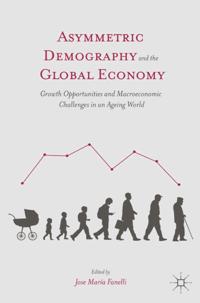
The global demographic transition presents marked asymmetries as poor, emerging, and advanced countries are undergoing different stages of transition. Emerging countries are demographically younger than advanced economies. This youth is favorable to growth and generates a demographic dividend. However, the future of emerging economies will bring a decline in the working-age share and a rise in the older population, as is the case in today's developed world. Hence, developing countries must get rich before getting old, while advanced economies must try not to become poorer as they age. Asymmetric Demography and the Global Economy contributes to our understanding of why this demographic transition matters to the domestic macroeconomics and global capital movements affect the asset accumulation, growth potential, current account, and the economy's international investment position. This collaborative collection approaches these questions from the perspective of "e;systemically important"e; emerging countries i.e., members of the G20 but considers both the national and the global sides of the problem.
- Alaotsikko
- Growth Opportunities and Macroeconomic Challenges in an Ageing World
- Toimittaja
- J. Fanelli
- ISBN
- 9781137481436
- Kieli
- englanti
- Julkaisupäivä
- 5.3.2015
- Kustantaja
- Palgrave Macmillan US
- Formaatti
- PDF - Adobe DRM
- Lue e-kirjoja täällä
- Lue e-kirja mobiililaitteella/tabletilla
- Lukulaite
- Tietokone







