Tallenna
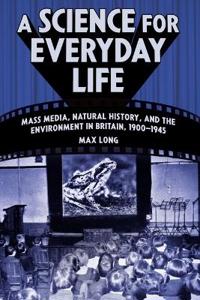
A Science for Everyday Life: Mass Media, Natural History, and the Environment in Britain, 1900-1945
A Science for Everyday Life argues that mass media and communications technologies transformed the way British people thought about and experienced the natural world by democratizing knowledge about science and the environment. From progressive educational methods and new modes of museum display to microcinematographic film techniques, new broadcast technologies, and popular periodicals, the British public engaged with a wide variety of novel ways of approaching the natural world during this period, many of which emphasized the relevance of nature in modern everyday life. Drawing on a wide array of original archival sources including films, radio broadcasts, magazines, newspapers, lantern slides, and school teaching manuals, this book offers a new account of the production and circulation of popular ideas about science and the environment in the first half of the twentieth century.
- Alaotsikko
- Mass Media, Natural History, and the Environment in Britain, 1900-1945
- Kirjailija
- Max Long
- ISBN
- 9780822968306
- Kieli
- englanti
- Paino
- 310 grammaa
- Julkaisupäivä
- 1.12.2026
- Kustantaja
- UNIVERSITY OF PITTSBURGH PRESS
- Sivumäärä
- 376







