Tallenna
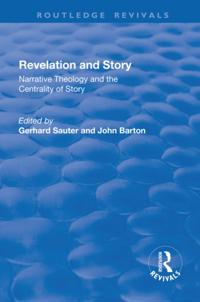
Revelations and Story
e-kirja, 2018
englanti
Lue Adobe DRM-yhteensopivassa e-kirjojen lukuohjelmassaTämä e-kirja on kopiosuojattu Adobe DRM:llä, mikä vaikuttaa siihen, millä alustalla voit lukea kirjaa. Lue lisää
This title was first published in 2000. From the work of Hegel and Schelling to the dialectical theology of Barth, Bultmann and Gogarten, "e;Revelation"e; has developed a long, rich tradition of diverse thought, as well as many misunderstandings. Meaning, first and foremost, "e;God's encounter with those to whom God wishes to communicate God's own self"e;, Revelation seeks to be recounted and communicated to others. As a theological expression, Revelation aims to direct our attention to the modes and areas in which we have a basis for expecting encounter with God - through stories, nature, the world as creation. From a rediscovered emphasis on "e;story"e;, narrative theology has emerged - a concept the English-speaking world has welcomed for its neutrality between history and imaginative fiction and stress on narrative rather than doctrinal dimension of biblical text. This volume brings into relationship a concern with theology of revelation and an interest in the theology of story or narrative theology.
- Alaotsikko
- Narrative Theology and the Centrality of Story
- Toimittaja
- Gerhard Sauter, John Barton
- ISBN
- 9781351731584
- Kieli
- englanti
- Julkaisupäivä
- 6.2.2018
- Kustantaja
- TAYLOR FRANCIS
- Formaatti
- PDF - Adobe DRM
- Lue e-kirjoja täällä
- Lue e-kirja mobiililaitteella/tabletilla
- Lukulaite
- Tietokone